Avoid These 5 Common Lifting Mistakes to Ensure Safe and Efficient Operations
- Ben Veal
- Apr 1
- 3 min read
Lifting operations are a critical part of many industries, especially construction and manufacturing. Yet, mistakes during these operations can lead to costly delays, damaged equipment, and most importantly, serious injuries or fatalities. In the UK, where lifting safety regulations are strict, businesses must prioritise safe and efficient lifting practices to protect their workforce and assets. Understanding the common pitfalls in lifting operations helps companies avoid risks and maintain compliance.
This post highlights the top five lifting mistakes businesses often make, explains the risks involved, and offers practical advice on how to avoid them. By learning from these errors, site managers, contractors, and business owners can improve their lifting safety UK standards and reduce crane hire mistakes. Working with experienced companies like MRI Ltd ensures expert guidance and safer lifting operations.

1. Poor Planning
One of the most common lifting operation risks comes from inadequate planning. Without a detailed plan, teams may overlook critical factors such as load weight, lift path, ground conditions, and weather. This can lead to unsafe lifts, equipment failure, or collisions.
Risks:
Overloading cranes beyond their capacity
Unexpected obstacles in the lift path
Unstable ground causing crane tipping
Delays due to last-minute changes
How to Avoid:
Conduct thorough site surveys before the lift
Calculate load weights accurately and confirm crane capacity
Plan the lift path to avoid hazards and obstructions
Schedule lifts considering weather forecasts and ground conditions
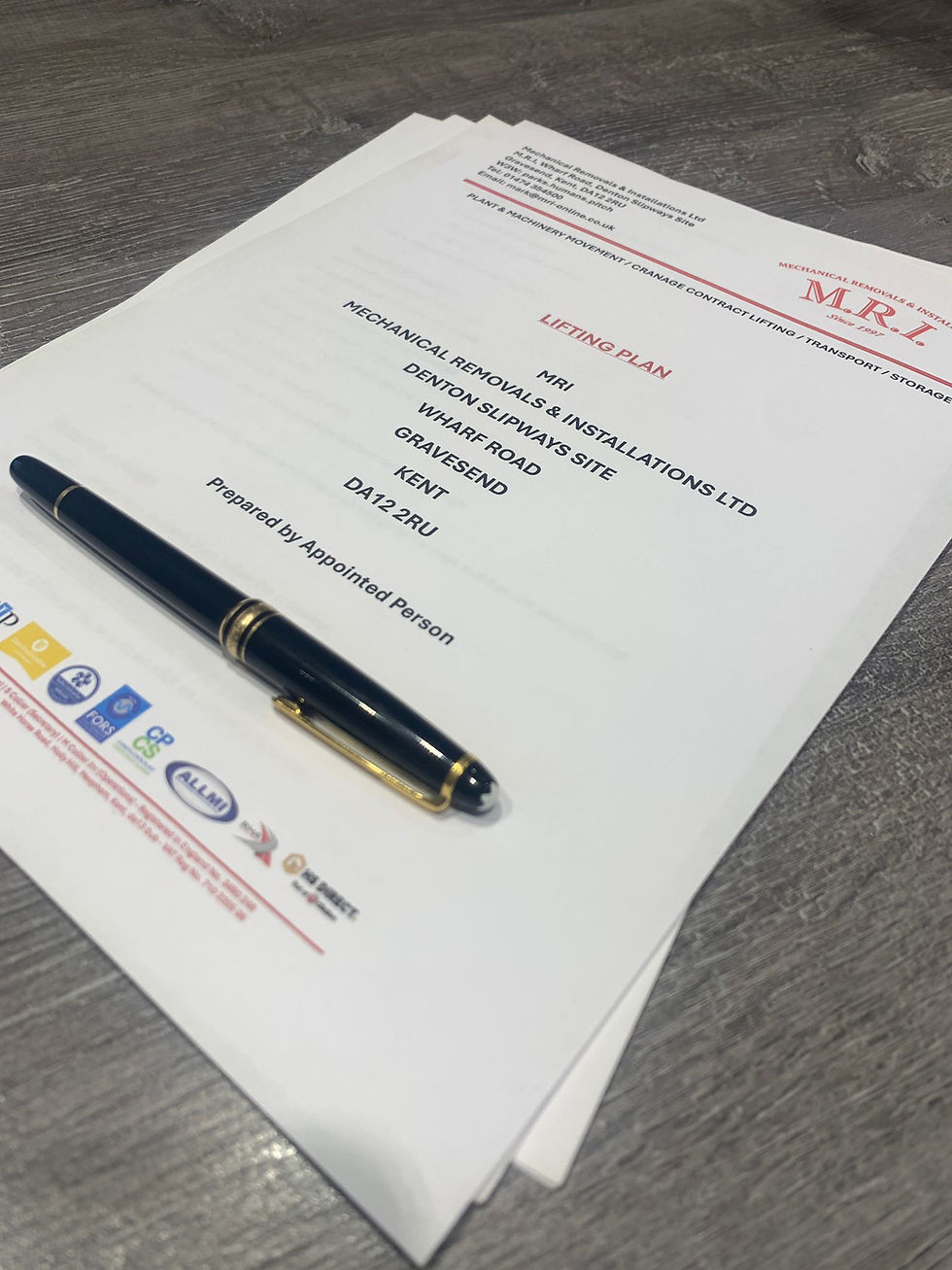
Develop a clear lift plan and communicate it to all personnel involved
Good planning reduces the chance of accidents and improves efficiency, saving time and money.
2. Using the Wrong Equipment
Selecting inappropriate lifting equipment is a frequent mistake that compromises safety and performance. Using a crane or lifting gear not suited for the load or environment increases the risk of mechanical failure or accidents.
Risks:
Equipment breakdown during operation
Damage to the load or surrounding structures
Increased risk of injury to workers
How to Avoid:
Match the crane type and lifting accessories to the specific load and site conditions
Use certified and well-maintained equipment
Consult with lifting experts to select the right machinery
Avoid improvising with unsuitable gear
Choosing the correct equipment ensures the lift is safe, smooth, and compliant with construction safety lifting standards.
3. Lack of Qualified Personnel
Lifting operations require skilled and trained personnel to operate cranes and manage lifts safely. Employing unqualified workers or failing to provide adequate training leads to errors and unsafe practices.
Risks:
Incorrect crane operation causing load swings or drops
Poor communication among team members
Failure to respond properly to emergencies
How to Avoid:
Hire certified crane operators and riggers with relevant experience
Provide regular training and refresher courses on lifting safety UK regulations
Assign a competent person to supervise lifting operations
Encourage clear communication and use of standard hand signals or radios
Qualified personnel reduce human error and ensure compliance with crane safety tips and regulations.
4. Ignoring Safety Regulations
Ignoring or misunderstanding safety regulations is a serious mistake that can result in legal penalties and endanger lives. UK lifting safety laws require strict adherence to standards set by the Health and Safety Executive (HSE) and other bodies.
Risks:
Legal fines and work stoppages
Increased accident rates
Damage to company reputation
How to Avoid:
Stay updated on current lifting safety UK regulations and standards
Conduct regular safety audits and risk assessments
Implement safety protocols such as exclusion zones and emergency procedures
Ensure all lifting equipment has valid inspection certificates
Compliance with safety regulations protects workers and helps avoid costly crane hire mistakes.
5. Choosing Price Over Expertise
Many businesses focus on the lowest cost when hiring lifting services, overlooking the value of experience and expertise. This can lead to substandard service, unsafe lifts, and hidden costs from delays or accidents.
Risks:
Poorly executed lifts causing damage or injury
Unexpected costs from equipment failure or downtime
Lack of professional advice on lift planning and risk management
How to Avoid:
Prioritise companies with proven experience and strong safety records
Evaluate providers based on qualifications, equipment quality, and customer reviews
Consider the long-term benefits of working with experts like MRI Ltd
Request detailed quotes that include safety measures and contingency plans
Investing in expert lifting services ensures safer, more efficient operations and peace of mind.
Choosing a trusted partner like MRI Ltd helps businesses avoid these common lifting mistakes. With years of experience in crane hire and lifting safety UK, MRI Ltd offers expert advice, high-quality equipment, and skilled operators to support safe and compliant lifting operations. Their commitment to safety and efficiency reduces lifting operation risks and prevents costly crane hire mistakes.
Before planning your next lift, speak to MRI Ltd to ensure your project runs smoothly and safely.


Comments