Understanding the Role and Importance of an Appointed Person in Lifting Operations
- Ben Veal
- Apr 1
- 3 min read
Lifting operations are critical activities in many industries, including construction, manufacturing, and logistics. Ensuring these operations run smoothly and safely requires clear roles and responsibilities. One key role is that of the Appointed Person (AP). This professional plays a vital part in planning and overseeing lifting tasks, helping businesses meet legal requirements and maintain high safety standards. This article explains what an Appointed Person is, their responsibilities, and why their role is essential for safe and compliant lifting operations in the UK.

What Is an Appointed Person in Lifting Operations?
An Appointed Person lifting is a designated individual responsible for planning and managing lifting operations that involve cranes or other lifting equipment. In the UK, the role is defined under the Lifting Operations and Lifting Equipment Regulations 1998 (LOLER). The appointed person acts as the link between the client, crane operators, and other site personnel to ensure the lift is carried out safely and efficiently.
The AP is not usually the person operating the crane but is responsible for the overall planning and coordination of the lift. This includes assessing risks, preparing lift plans, and ensuring all equipment and personnel are suitable for the task.
Responsibilities of an Appointed Person
The lifting safety responsibilities of an Appointed Person cover several critical areas:
Lift Planning: Creating detailed lift plans that specify the method, equipment, and sequence of the lift.
Risk Assessment: Identifying potential hazards and implementing control measures to reduce risks.
Equipment Checks: Ensuring cranes and lifting gear are inspected, certified, and fit for purpose.
Communication: Coordinating between crane operators, riggers, and site managers to maintain clear communication.
Compliance: Making sure all lifting activities comply with UK regulations and industry standards.
Supervision: Overseeing the lifting operation to respond to any issues or changes on site.
By fulfilling these responsibilities, the AP helps prevent accidents and ensures the lift proceeds without delays or complications.
Why an Appointed Person Is Legally and Operationally Important
In the UK, having a qualified AP lifting UK is a legal requirement for certain lifting operations. The Health and Safety Executive (HSE) mandates that complex lifts must be planned and supervised by a competent person, often the appointed person. This legal framework exists because lifting operations carry significant risks, including injury, equipment damage, and project delays.
Operationally, the AP ensures that lifts are planned with precision, taking into account site conditions, load weights, and equipment capabilities. Without this role, lifts may be poorly coordinated, increasing the chance of accidents or costly mistakes.
Risks of Not Having a Qualified Appointed Person
Failing to appoint a qualified person for lift planning roles UK can lead to serious consequences:
Increased Accidents: Poor planning can cause crane failures, dropped loads, or collisions.
Legal Penalties: Non-compliance with LOLER and other regulations can result in fines or prosecution.
Project Delays: Unplanned issues during lifts can halt work and increase costs.
Damage to Equipment and Property: Incorrect lift methods can damage cranes, loads, or surrounding structures.
Reputation Damage: Safety incidents harm a company’s reputation and client trust.
These risks highlight why businesses must invest in competent appointed persons to manage lifting operations.
How an Appointed Person Ensures Safety and Compliance
An Appointed Person uses their expertise to maintain safety and compliance through:
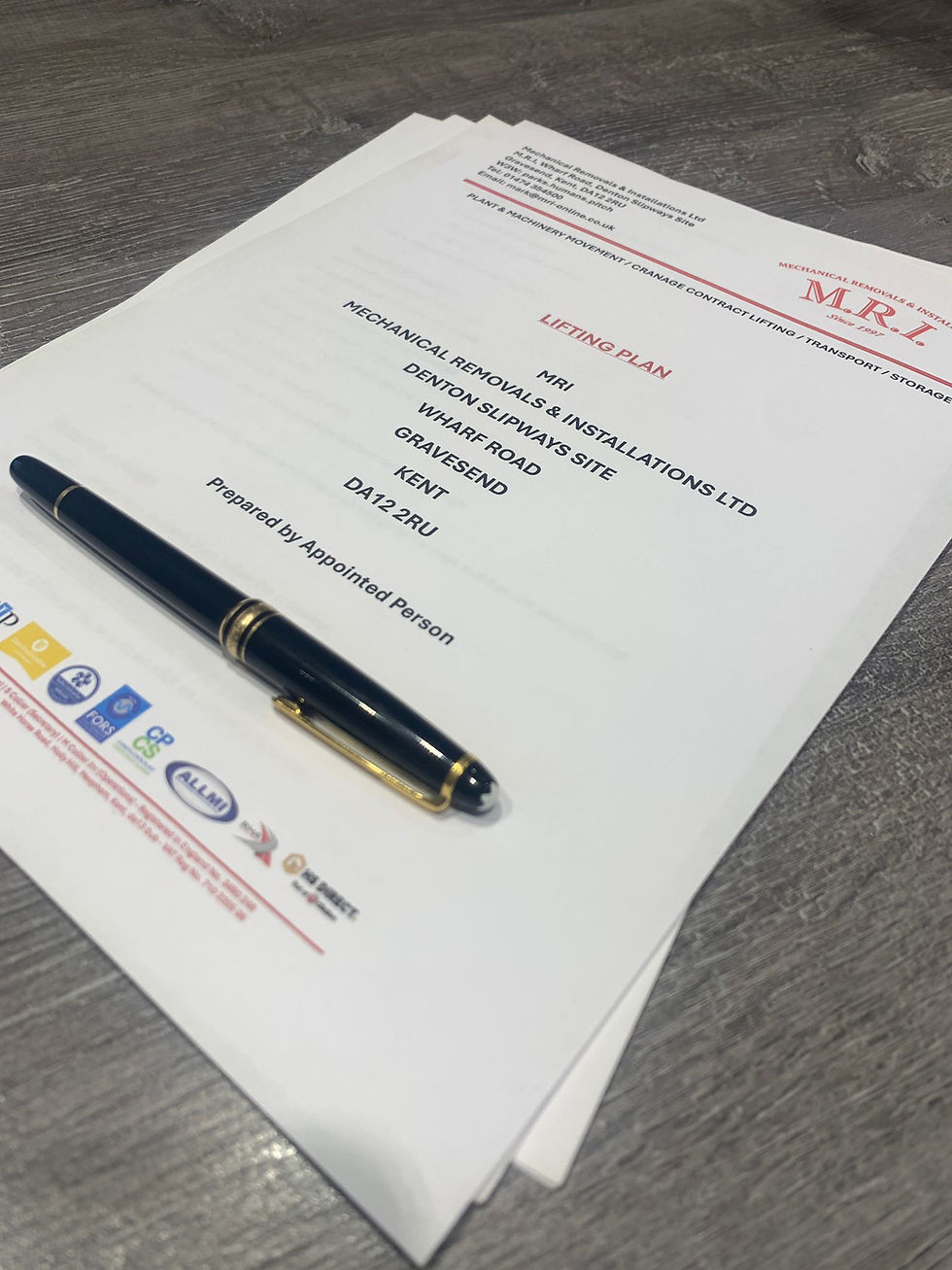
Detailed Lift Plans: These documents outline every step of the lift, including load weights, crane positions, and environmental factors.
Regular Inspections: The AP verifies that all lifting equipment has current certifications and is in good condition.
Training and Competence Checks: Ensuring all personnel involved are trained and understand their roles.
Monitoring Weather Conditions: Adjusting plans if wind or other weather factors pose risks.
Clear Communication Protocols: Using radios, signals, and briefings to keep everyone informed during the lift.
By managing these elements, the AP reduces the chance of accidents and ensures the operation meets all legal requirements.
How MRI Ltd Provides AP-Led Lift Planning Services
MRI Ltd specialises in crane lift planning UK and offers expert appointed person services tailored to client needs. Their team includes highly trained APs who bring extensive experience in managing complex lifts across various industries. MRI Ltd’s approach includes:
Conducting thorough site surveys to understand unique challenges.
Developing customised lift plans that prioritise safety and efficiency.
Coordinating with clients, crane operators, and site teams to ensure smooth execution.
Providing ongoing support and supervision throughout the lifting operation.
Ensuring all activities comply with UK regulations and best practices.
By choosing MRI Ltd, businesses gain peace of mind knowing their lifting operations are led by qualified professionals committed to safety and compliance.
Final Thoughts and Next Steps
The role of an Appointed Person is central to safe and successful lifting operations. Their expertise in planning, risk management, and compliance protects people, equipment, and projects. Without a qualified AP, businesses expose themselves to unnecessary risks and legal issues.


Comments