Understanding Contract Lifts in the UK: A Comprehensive Guide for Businesses
- Ben Veal
- Apr 1
- 3 min read
Lifting heavy equipment or materials on a construction site or industrial project requires more than just renting a crane. Businesses in the UK often face complex challenges when managing lifts that involve safety, legal compliance, and operational efficiency. This is where a contract lift becomes essential. This guide explains what a contract lift is, how it differs from standard crane hire, and why it matters for businesses, contractors, and site managers.

What Is a Contract Lift?
A contract lift is a specialised lifting service where the lifting company takes full responsibility for the planning, execution, and safety of a specific lift. Unlike simply hiring a crane, a contract lift involves a comprehensive package that covers everything from risk assessments to providing trained personnel and insurance.
In practical terms, a contract lift means the lifting company manages the entire process, ensuring the lift is carried out safely and efficiently. This service is particularly valuable for complex or high-risk lifts where expert planning and execution are critical.
The Difference Between Contract Lift and Crane Hire
Many businesses confuse crane hire with a contract lift, but they are quite different:
Crane Hire
Renting a crane and possibly an operator for a set period. The client is responsible for planning, risk assessments, and safety management. The crane company provides equipment and operator but does not manage the lift.
Contract Lift
The lifting company handles all aspects of the lift, including planning, risk assessments, selecting the right equipment, providing skilled personnel, and ensuring safety compliance. The client outsources the entire lifting operation.
This distinction is crucial when deciding what service fits your project needs. For straightforward lifts, crane hire might suffice. For complex lifts, contract lifting services offer peace of mind and reduce risk.
What Is Included in a Contract Lift?
A contract lift covers several essential components to ensure a safe and successful operation:
Detailed Planning
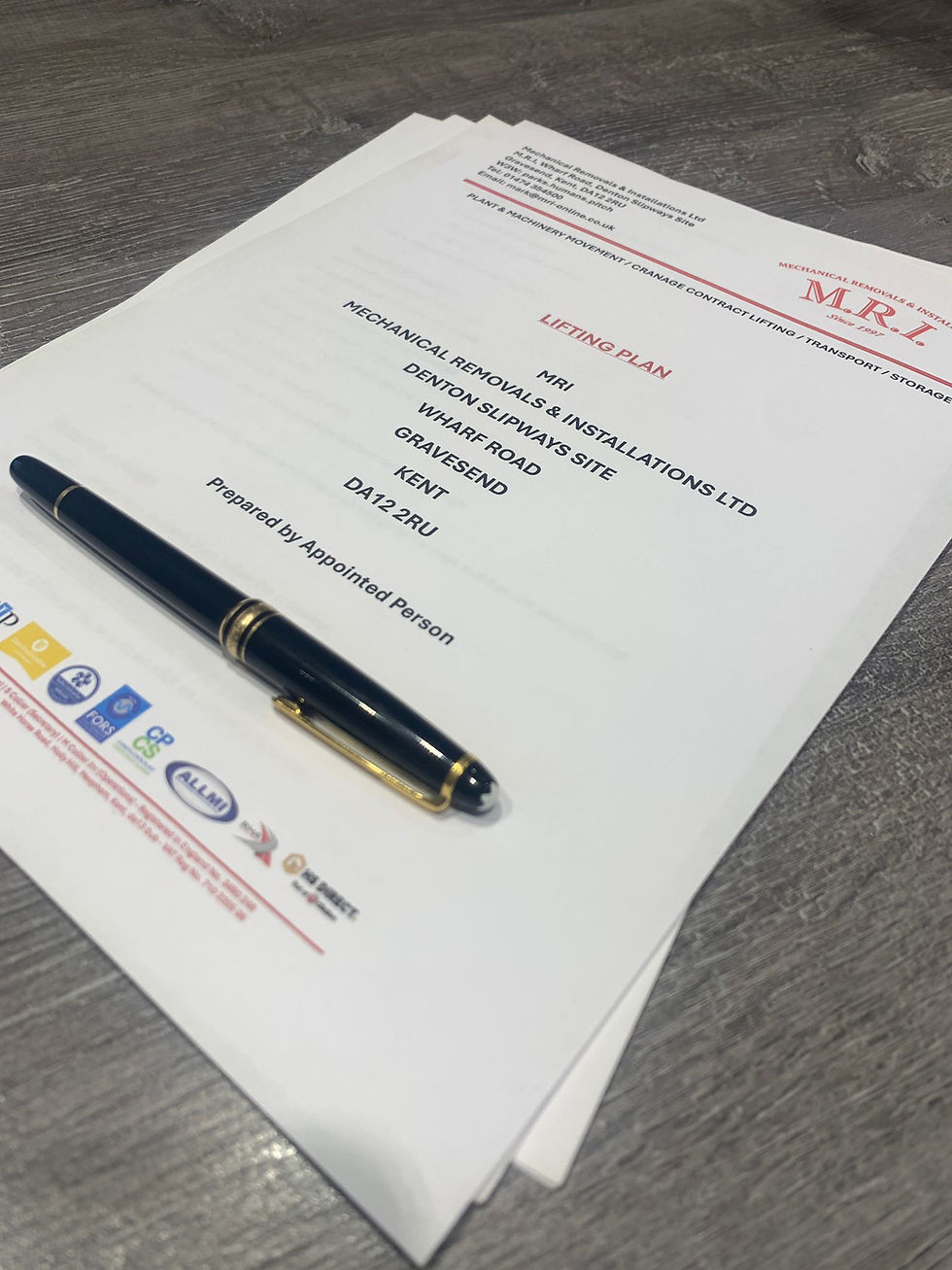
The lifting company assesses the site, load, and lift requirements. They develop a lift plan that considers all variables, including weather, ground conditions, and nearby structures.
Risk Assessments
Identifying potential hazards and implementing controls to mitigate risks. This includes assessing load weight, crane capacity, and environmental factors.
Equipment Provision
Selecting the right crane and lifting accessories tailored to the specific lift. This ensures the equipment can safely handle the load.
Qualified Personnel
Experienced crane operators, riggers, and supervisors manage the lift. Their expertise ensures the lift follows the plan and safety standards.
Insurance Coverage
Comprehensive insurance protects all parties involved, covering potential damages or accidents during the lift.
Safety Management
Continuous monitoring and adherence to UK safety regulations, including compliance with the Lifting Operations and Lifting Equipment Regulations 1998 (LOLER).
By including these elements, contract lifting services provide a turnkey solution that reduces the burden on the client and enhances safety.
Legal Responsibilities and Why Contract Lifts Reduce Risk
In the UK, lifting operations are subject to strict legal requirements. Businesses must comply with regulations such as LOLER and the Health and Safety at Work Act. Failure to meet these standards can lead to severe penalties, project delays, and safety incidents.
When a business opts for a contract lift, the lifting company assumes many legal responsibilities, including:
Ensuring all equipment is thoroughly inspected and certified
Conducting thorough risk assessments and method statements
Providing trained and competent personnel
Maintaining insurance that covers lifting operations
This transfer of responsibility reduces the client's legal exposure and ensures the lift meets all regulatory standards. Contract lifts are a proven way to manage safe lifting UK and protect businesses from costly risks.
When Should a Business Choose a Contract Lift?
Choosing between crane hire and a contract lift depends on the complexity and risk of the lifting task. Consider a contract lift when:
The lift involves heavy or awkward loads that require precise handling
The site conditions are challenging, such as limited space or unstable ground
Multiple cranes or specialised equipment are needed
The lift requires detailed planning and coordination with other site activities
The business wants to minimise legal and safety risks by outsourcing responsibility
For example, lifting a large industrial generator onto a rooftop or moving heavy steel beams in a confined urban site are ideal scenarios for contract lifting services.
Why Choosing an Experienced Company Like MRI Ltd Matters
MRI Ltd has been providing expert lifting services in the UK since 1997. Their extensive experience means they understand the complexities of contract lifts and the importance of safety and compliance.
Choosing MRI Ltd offers several advantages:
Proven track record with diverse projects across industries
Skilled operators and riggers trained to the highest standards
Comprehensive insurance and adherence to UK regulations
Tailored lifting solutions that meet specific project needs
Transparent communication and reliable project management
With over two decades of experience, MRI Ltd ensures businesses receive professional, trustworthy, and efficient contract lifting services.


Comments